Meaning drifts
Finance, operations and the board each hold a different number for the same thing. Meetings go on deciding which figure is right instead of what to do.

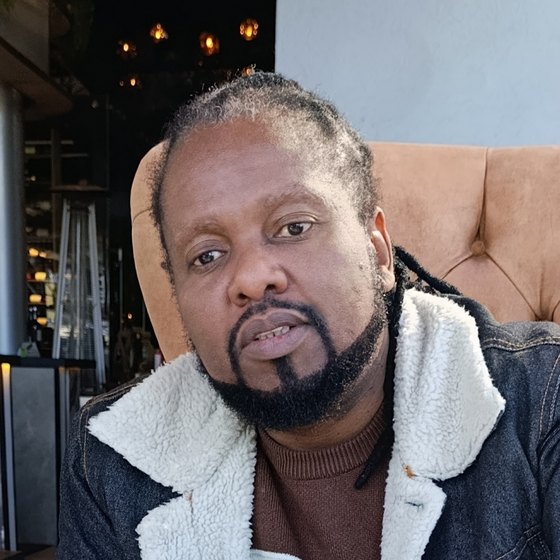
Ingqiqo Executables
Meaning Coherence Assurer
I make what an organisation knows, measures and decides mean the same thing everywhere, so its decisions can be trusted, explained and owned. AI does the calculating. People keep the thinking.
Start a conversationor book a time →Ways to work together →
Meaning, made coherent.
Every organisation pays for its decisions twice: once when they are made, and again, quietly, when they are made badly, made twice, or never finished.
Finance, operations and the board each hold a different number for the same thing. Meetings go on deciding which figure is right instead of what to do.
Rigorous decision work has long arrived in a boardroom binder, at a consulting firm’s price. Most decisions never get it.
When an outcome goes wrong, nobody can show who decided, on what evidence, under what authority. Blame lands where it is easiest, not where it belongs.
My work makes that clarity ordinary: one method, instruments that run again, and the working shown, so any decision can be checked, contested and owned.
One posture, five demands. These are not five separate roles. The Solutionist posture holds them together: one practitioner who carries all of them, and calls on each as the effort demands it. You get one accountable person across the whole problem, not five hand-offs.
Frames the question before the answer. Tests whether evidence actually supports a decision, and says so when it does not.
Builds the pipelines and platforms that carry meaning intact, from raw data to governed, auditable gold.
Reads what the numbers are saying, and what they are hiding, then turns it into a choice someone can make.
Gives terms, taxonomies and ontologies their shape, and models decisions so they can be represented, compared and reviewed.
Designs the whole: how data, process and decision fit together, and where accountability sits within them.
Human in the loop, by design
Every piece of this work keeps the cognitive part of the job with people: framing the question, weighing what matters, choosing, and answering for the choice. AI and automation are used hard, for speed and reach, but only ever to propose. That is the difference you are buying.
Stays with people
Handed to machines
No model sets a weight, asserts a constraint or issues a decision. Every AI contribution is logged as a proposal a person accepted or rejected, so you get the speed of AI without handing it your judgement, and an audit trail that will stand up to a board or a regulator.
Start where the pain is. Each way in uses the same method, so the work compounds instead of starting over.
How an engagement runs, who decides what, what I stand behind and what I don't, and the eight commitments you can hold me to: Working together →
What you get
One canonical result with a view for each stakeholder; every figure labelled with its pedigree; instruments you can run again next quarter; logic installed and owned in your own systems.
What it does not do
It does not decide for you, nudge you toward its own answer, or hide its working. It names the decision required and who holds the authority, and stops there.
Three foundations carry all of the work, a method for deciding, an architecture that runs it and an engineering discipline that builds on both, and two ways in for anyone deciding whether to work with me.
Methodology
From decision enablement to strategic coherence, execution and feedback, run through the Ingqiqo Disciplined Decision Cycle. Method, not headcount; instruments, not one-off reports; working shown, not hidden.
Read the method →
Reference architecture
Eight planes from strategy intent to feedback, on a DuckLake lakehouse and a Postgres lakebase joined by metadata-driven master data, with a sovereign logic engine, a post-quantum ledger and a decision warranty.
Read the architecture →
Discipline
How decision instruments and meaning, coherence, data and assurance products are thought through, specified, layered and warranted, and delivered as governed executables. Includes epistemic typing: what could count against a claim.
Read the discipline →
Working together
What you receive, where to start, who decides what, what I stand behind and what I don't, and how your people's data is protected.
See how it works →
From the work
Short pieces on the one-day-in-five problem, the truck factor, open decisions, manufactured culpability and why every number should say where it came from.
Read the notes →
Each piece is placed on the Spine and in the method, so it is clear what part of deciding it serves, and what it would give you.
Twenty-five years across every generation of the data stack.
SSIS, SSAS, SSRS, Pentaho and Talend: warehousing, integration and reporting at enterprise scale.
Microsoft Fabric, Databricks, Azure and AWS, with Delta, Iceberg and Hudi tables, dbt and Airflow orchestration.
Kafka streaming, Polars, MLOps and Data Mesh: data as a product, owned by the domains that know it.
Semantics, decision representation and institutional accountability: making meaning hold across data, process and decision.
The full recordTwenty years of delivery, every role and why it ended, skills, education and languages
Bring the decision that keeps coming back. A first conversation is about that decision, not a sale: you leave with a clear view of whether this work fits, and what it would take.
Mobile
Calls, WhatsApp, Signal and Telegram on the first number.
Elsewhere
Gauteng, South Africa